
How to Mitigate Stubborn Sidewalk Ice in Extreme Cold Temperatures
- Share on:
-

-

-

-

-


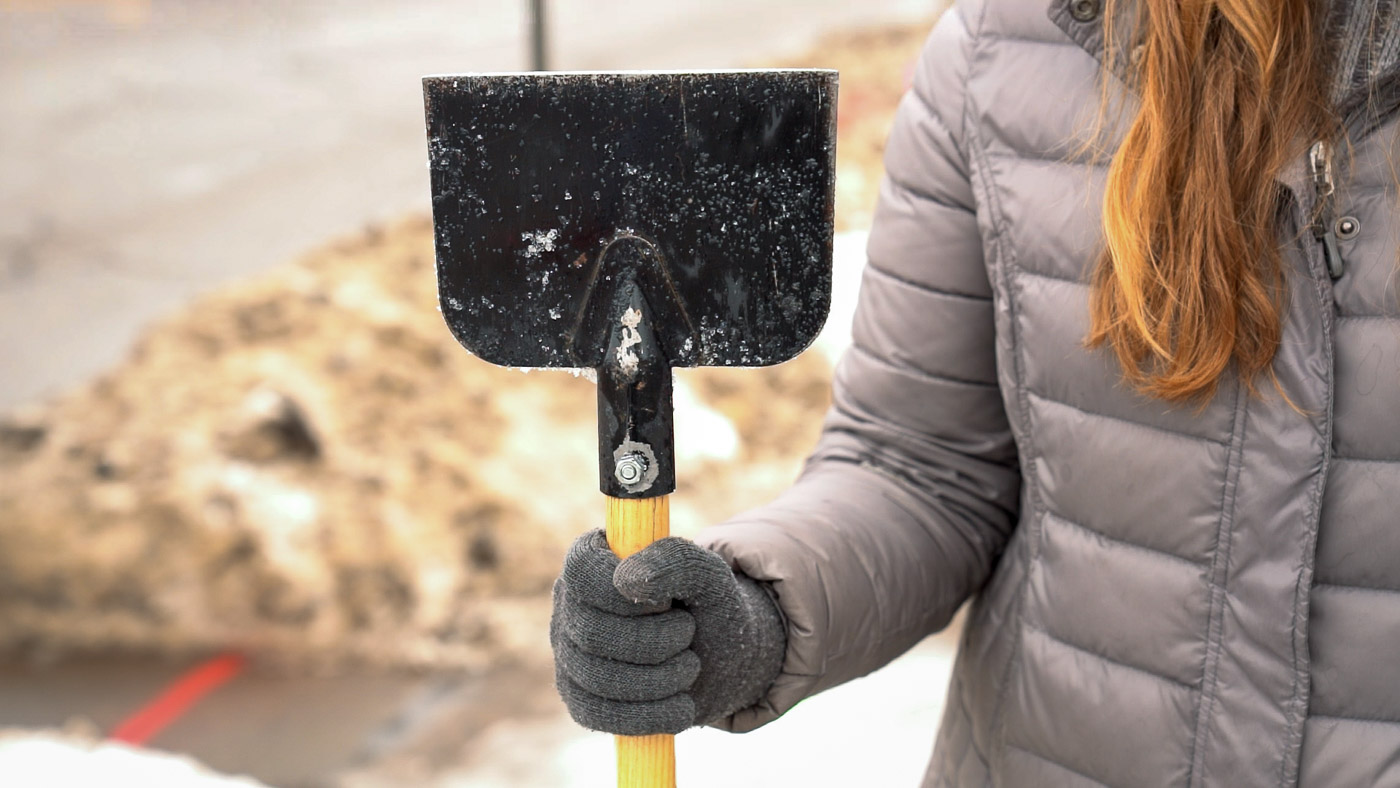
This month’s intense cold snap has made removing ice from sidewalks and driveways trickier than usual. That’s because rock salt and other deicing products often fail to work in extreme low temperatures.
There are no environmentally friendly ice-melt products, in spite of some manufacturers’ claims. And with the frigid temperatures lingering for weeks, many chemical deicers won’t work anyway.
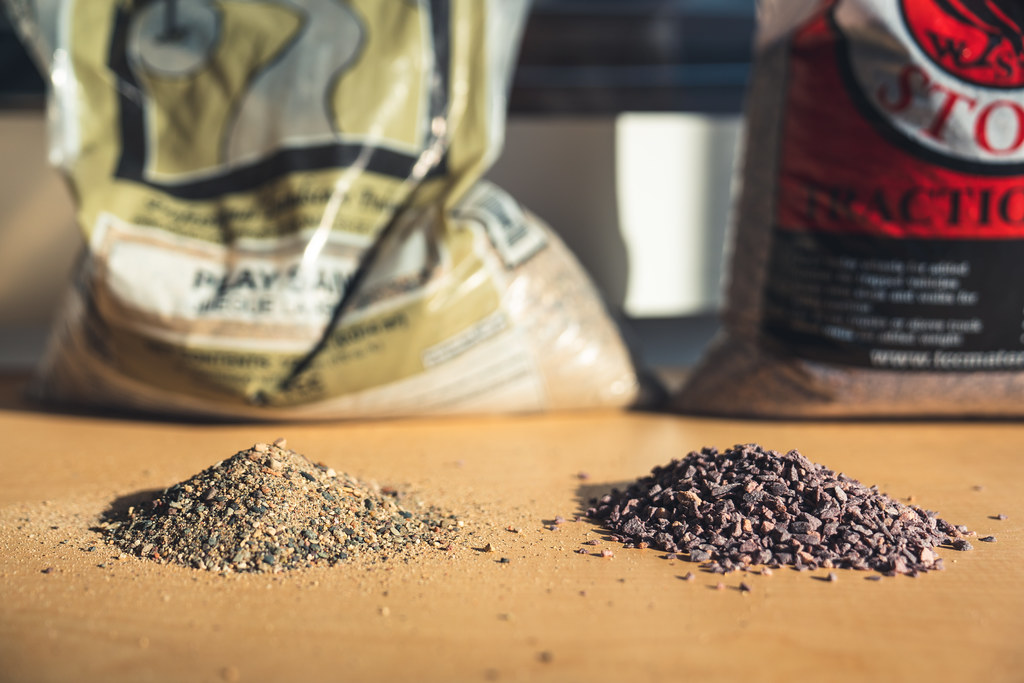
Here are some tools and techniques you can use to keep your high-traffic paved areas ice-free without spreading around harmful and ineffective chemical deicers.
- Always follow the basic formula of: (1) Shovel, (2) Select, (3) Scatter, and (4) Sweep.
- If your shovel isn’t doing the trick, use an ice chisel to remove compacted snow and ice. (Watch our video demonstration.)
- If you can’t remove it manually, use sand or traction grit on icy spots. It won’t melt the ice, but it will help prevent slips and falls. When the ice is gone, you can sweep it up and reuse it.
Also, always remember to remove as much snow as possible immediately after a snow event. The longer you leave it, the more difficult it will become to remove later, as it melts, freezes, and/or becomes compacted.
Why Salt is Bad for Waterbodies
Chloride from road salt and deicing chemicals damage and disrupt the environment and ecosystems. It’s toxic to freshwater fish and other aquatic life; it also contaminates drinking water supplies and corrodes bridges, roads, and other public infrastructure.
More than 365,000 tons of road salt is applied in the Twin Cities metro area each year, and approximately 78 percent of it finds its way into lakes, wetlands, or groundwater, according to the Minnesota Pollution Control Agency (MPCA).
So, big-picture, what can you do to help? In addition to using smart salting practices at home, you can do the following:
- If you contract out for your snow and ice removal needs, hire a contractor who has been certified by the MPCA in smart salting best practices. (Watch a video about the training.)
- Encourage your local governments to be like the City of Fridley, which implemented city-wide smart salting practices that maximize public safety while minimizing the use of harmful chlorides.
Bonus
Looking for a great-for-all-ages video explainer on how road salt harms our water quality? Check out this new animated video from the Washington Conservation District.
- Share on:
-
-
-
-
-